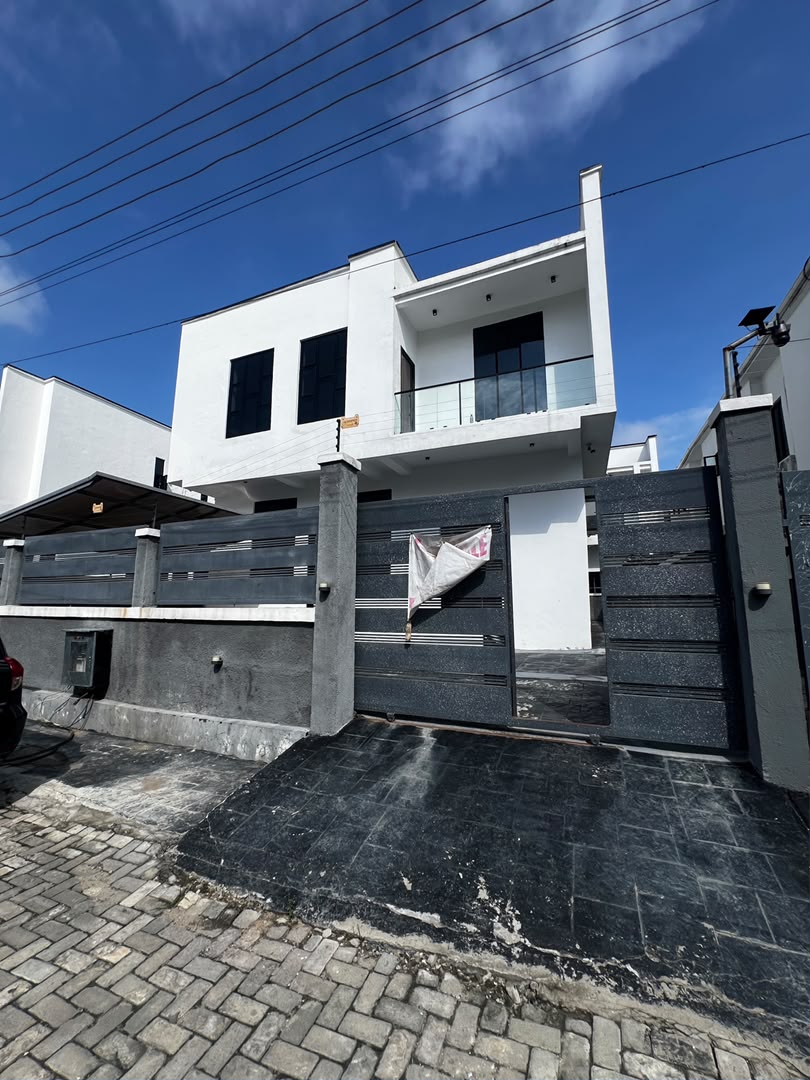
Estates give peace of mind: better security, proper roads and planned neighborhoods great for families and investors who want predictable value.
Non‑estate offers flexibility and lower entry cost: good for buyers watching budget, wanting freedom to alter property, or needing a specific location.
Key comparisons
- Security & peace of mind: Estates usually have gates, fencing and night patrols. Outside estates you rely on community watch and local policing — sometimes fine, sometimes less consistent.
- Infrastructure & services: Estates generally have reliable roads, drainage, street lights and fewer surprises after rain. Non‑estate areas vary — you may pay later in repairs or local improvements.
- Community & lifestyle: Estates bring planned green spaces, neighbour rules and a tidy feel. Non‑estate life can be lively and informal with stronger market access and local culture.
- Cost & affordability: Non‑estate properties are cheaper up front. Estates cost more for security and amenities, but often hold value better. Always compare the total cost — service fees, maintenance and taxes.
- Resale & investment: Buyers often prefer estates for their predictability, so resale can be quicker. Non‑estate plots/houses can rise in value too, especially when infrastructure or roads come in.
- Flexibility & personalization: Want to run a small business from home or renovate freely? Non‑estate usually gives more leeway. Estates may have covenants limiting changes.
Who should pick which
- Pick an estate if you want structured security, dependable infrastructure, family‑friendly amenities and steadier resale prospects.
- Pick non‑estate if you need lower upfront cost, specific market access, or freedom to modify your property.
Quick checklist before you decide
- Visit day and night to judge security and noise.
- Check roads and drainage after rain.
- Ask what service fees cover and how often they’re collected.
- Verify land/title documents and any estate covenants.
- Compare recent sale prices in the exact neighborhood.